
Is Ace Hardware right for you?
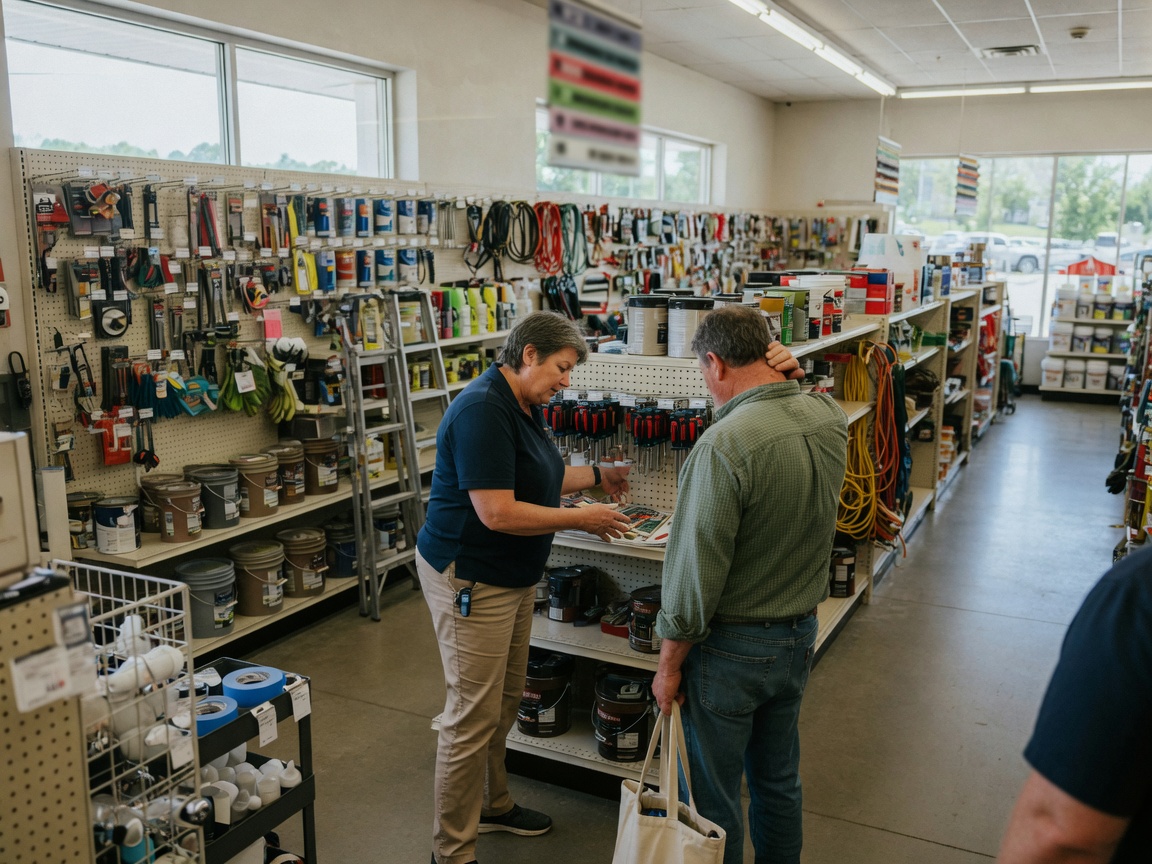
Cooperative Structure
Retailers own the wholesaler and can receive patronage dividends based on purchases.
Scale
Nearly 5,000 franchised locations provide established brand recognition and buying power.
Format Flexibility
Multiple store sizes and layouts allow operators to match local market needs.
About Ace Hardware
Ace Hardware Corporation, founded in 1928 and headquartered in Oak Brook, Illinois, operates as a retailer-owned cooperative. It supplies hardware products, paint, and related merchandise to independent retailers who operate under the Ace or Ace Hardware name. As of 2025 the system includes 4,982 franchised outlets and 268 company-owned locations across all 50 states.
Ace members run neighborhood hardware stores that combine national brand power with local ownership. Stores range from compact Express and Convenience formats to full Core, Super Hardware, and Home Center layouts, typically 3,000 to 12,000 square feet. Operators focus on everyday hardware, paint, tools, and seasonal merchandise while leveraging Ace's merchandising programs, advertising, and supply chain.
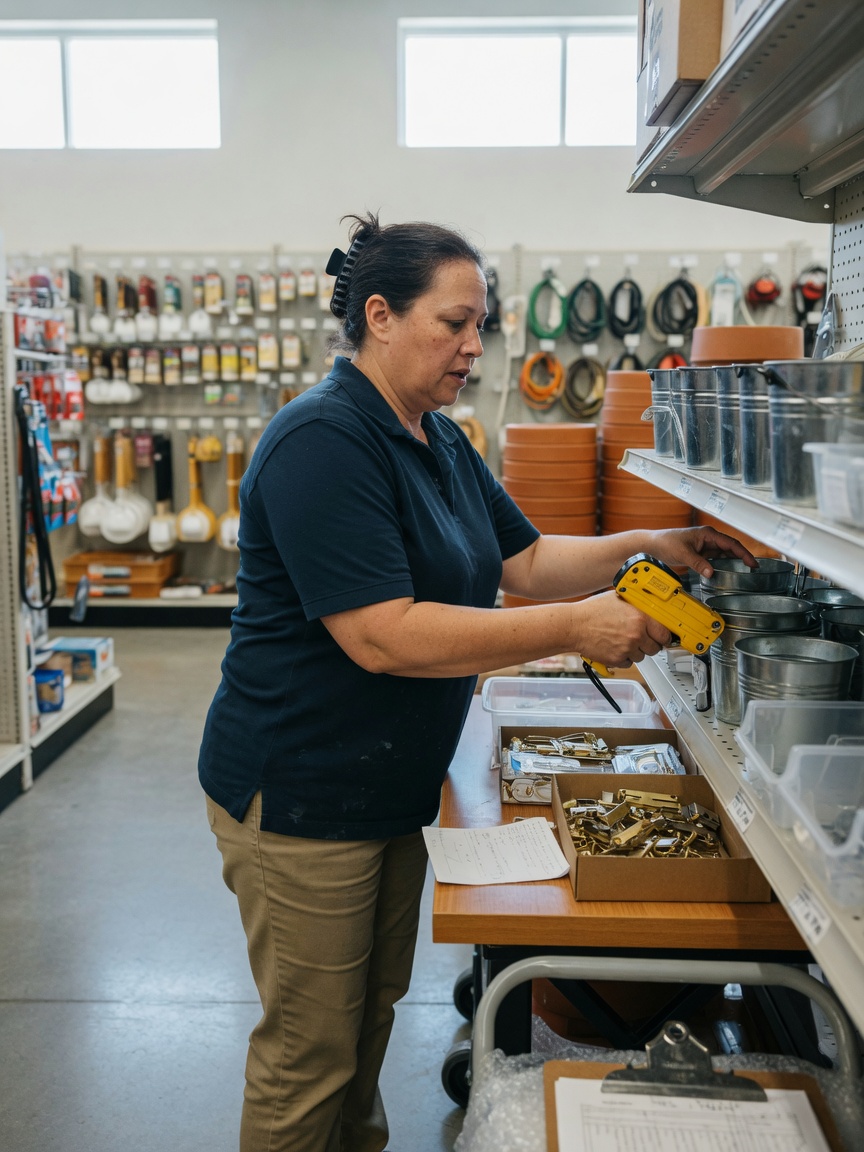
The business model
How a Ace Hardware territory actually makes money at the unit level.
Initial Fees
A $5,000 initial franchise fee plus $5,000 capital stock subscription. New retailers also pay a bundled $45,000 New Retailer Training fee.
Ongoing Fees
No royalty. Annual Brand Assessment equals 2 percent of prior-year purchases subject to minimum and maximum amounts. Core Retail Services fee starts at $323.25 per month for the main store.
Supply Chain
Ace is the required source for private-label merchandise. Members are encouraged but not required to buy the majority of inventory through Ace warehouses, drop-ship, or bulletin programs.
Initial Investment
Estimated total investment for a leased 3,000-12,000 sq ft store ranges from $611,928 to $2,018,550. The range includes leasehold improvements, equipment, opening inventory, signage, insurance, and three months of working capital.
Advertising
Ace administers national and digital advertising funded through the Brand Assessment. Optional local and regional programs are available with matching funds up to $4,800.
System Size
4,982 franchised units as of year-end 2025. Net growth of 97 franchised outlets in 2025.
Quick facts
Initial franchise fee
$5,000
Total investment range
$611,928 to $2,018,550
Royalty
n/a
Marketing fund
2.00% of gross revenue
Founded
1928
Headquarters
Oak Brook, IL
Active US franchisees
n/a
Total US units
n/a
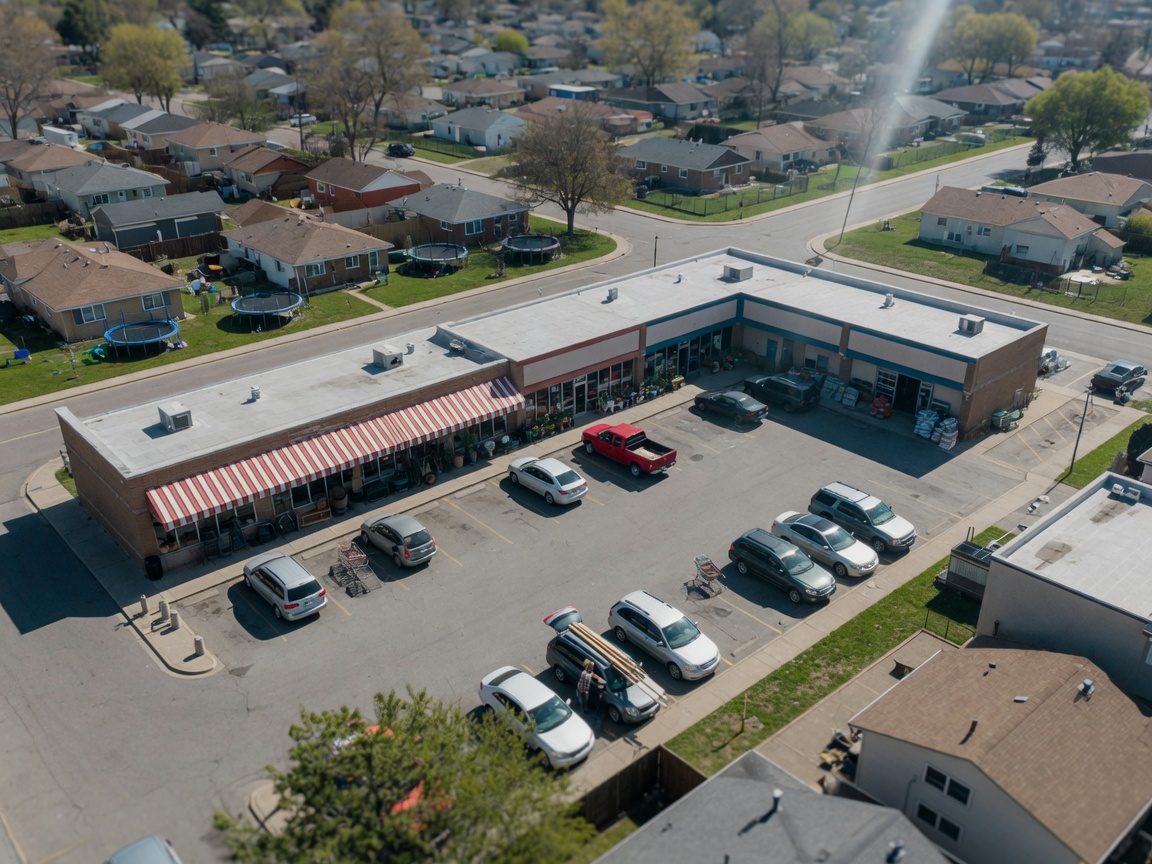
Training & support
What the franchisor + parent platform provide. And what they don't.

What's provided
- +New Owner Learning Plan: bundled $45,000 program of online, virtual, and in-store training covering retail operations, leadership, inventory management, merchandising, marketing, financial management, and people management.
- +Center of Excellence in-store training (40 hours on-the-job) at a high-performing Ace store and at headquarters in Oak Brook, Illinois.
- +51 hours of classroom/virtual sessions on store planning, Ace operating systems, marketing, financial management, people management, and technology.
- +Inventory management training and coaching (9 hours classroom).
- +Franklin Covey Leadership classes (20 hours virtual).
- +28 hours of on-the-job new associate training delivered in-store.
- +Ongoing Professional Retail Services consultant coaching available up to one year after opening.
Honest disclosure: what's NOT provided
Ace is not contractually obligated to provide training programs, pre-opening assistance beyond site-selection criteria, or ongoing operational assistance beyond licensing the marks, selling merchandise, permitting attendance at optional events, and paying patronage dividends. Continued availability of inventory control systems, retail computer systems, store design services, or promotional kits is not guaranteed.
Multi-unit growth path
Ace permits multiple memberships in the same market when deemed appropriate. Additional stores require separate approval and incur the same initial stock subscription and training fees. No development schedule or exclusive territory is granted. Existing operators may add stores subject to Ace review of financial capacity and operational performance.
Capital + financing paths
Most operators use one of these four paths to fund the initial investment.
Third-Party Lenders
Many Ace operators finance build-out, equipment, and inventory through conventional bank loans or specialty lenders familiar with retail hardware.
Ace Vendor Programs
Opening inventory may qualify for deferred dating and supplier credit programs. Ace does not directly finance franchise fees or training.
SBA Loan Eligibility
Ace Hardware memberships generally qualify as small business franchises for SBA 7(a) or 504 loans when requirements for size, use of proceeds, and collateral are met.
Personal Capital and Partnerships
Prospective owners frequently combine personal equity, family investment, or private partnerships to meet the substantial working capital and inventory requirements.
Process timeline: inquiry → grand opening
Typical 12-16 week path from first call to launching your first customer route.
Application and Approval
Submit application and financial documentation. Ace reviews and approves membership.
Site Selection
Identify and submit proposed location. Ace provides site selection criteria and approves the site.
Initial Training
Complete the New Owner Learning Plan including online modules, virtual classroom sessions, and in-store Center of Excellence training.
Store Build-Out
Complete leasehold improvements, signage, equipment installation, and merchandising using Ace store planning services where applicable.
Inventory and Systems
Receive and stock opening inventory. Install and configure required point-of-sale system from designated vendors.
Pre-Opening and Grand Opening
Finalize insurance, marketing plans, and staff training. Open the store and begin operations with up to one year of PRS consultant support.
Ongoing Operations
Participate in optional continuing education, conventions, and marketing programs while managing daily retail operations.
Match assessment
Are you a Ace Hardware match?
12 questions. Math-first. No high-pressure sales call afterwards. Just your match assessment and the reasoning behind it.
Start nowCommon questions
How much does an Ace Hardware franchise cost?
Estimated initial investment for a leased store ranges from $611,928 to $2,018,550 according to the the investment disclosure. This includes franchise fee, stock subscription, training, leasehold improvements, equipment, opening inventory, insurance, and three months of working capital.
Does Ace Hardware charge a royalty fee?
No royalty is charged. Ongoing costs consist primarily of a 2 percent Brand Assessment on prior-year purchases (subject to min/max), monthly Core Retail Services fees, and optional program charges.
What is the Ace Hardware franchise fee?
The initial franchise fee is $5,000. An additional $5,000 capital stock subscription is required. New retailers pay a separate $45,000 bundled training fee.
Does Ace Hardware provide financial performance representations?
Yes. the financial-performance disclosure discloses 2024 annual sales volume medians and averages for 478 voluntarily reporting stores open at least one full year, broken down by retail format and square footage.
How many Ace Hardware stores are there?
As of year-end 2025 there were 4,982 franchised outlets and 268 company-owned locations for a total of 5,250 outlets in the United States.
Does Ace Hardware grant exclusive territories?
No exclusive territory is granted. Multiple Ace stores may be approved in the same market area.
What training does Ace Hardware provide?
New owners complete a $45,000 New Owner Learning Plan that includes online courses, virtual classroom sessions, 40 hours of in-store Center of Excellence training, leadership classes, and up to one year of post-opening consultant coaching.
Is Ace Hardware a cooperative?
Yes. Ace Hardware Corporation is a retailer-owned cooperative wholesaler. Members can receive patronage dividends based on their purchases.
Can I open multiple Ace Hardware stores?
Yes. Additional store memberships are available subject to Ace approval. Each new location requires its own stock subscription and training fees.
What is the difference between Ace Hardware and a typical franchise?
Ace operates as a membership cooperative rather than a traditional franchisor. There is no royalty, members own shares in the cooperative, and purchasing through Ace is encouraged but not fully mandated except for private-label goods.
Are Ace Hardware franchisee reviews positive?
Operator satisfaction varies by location, market conditions, and individual execution. Prospective buyers should speak directly with current and former members in target markets before investing.
Does Ace Hardware help with financing?
Ace does not offer direct financing. Members may use conventional bank loans, SBA programs, supplier credit, and personal capital to fund the investment.
Brand logos displayed for identification purposes only. Hot N Fresh is not affiliated with the brands listed unless explicitly stated.