
Is Slim Chickens right for you?
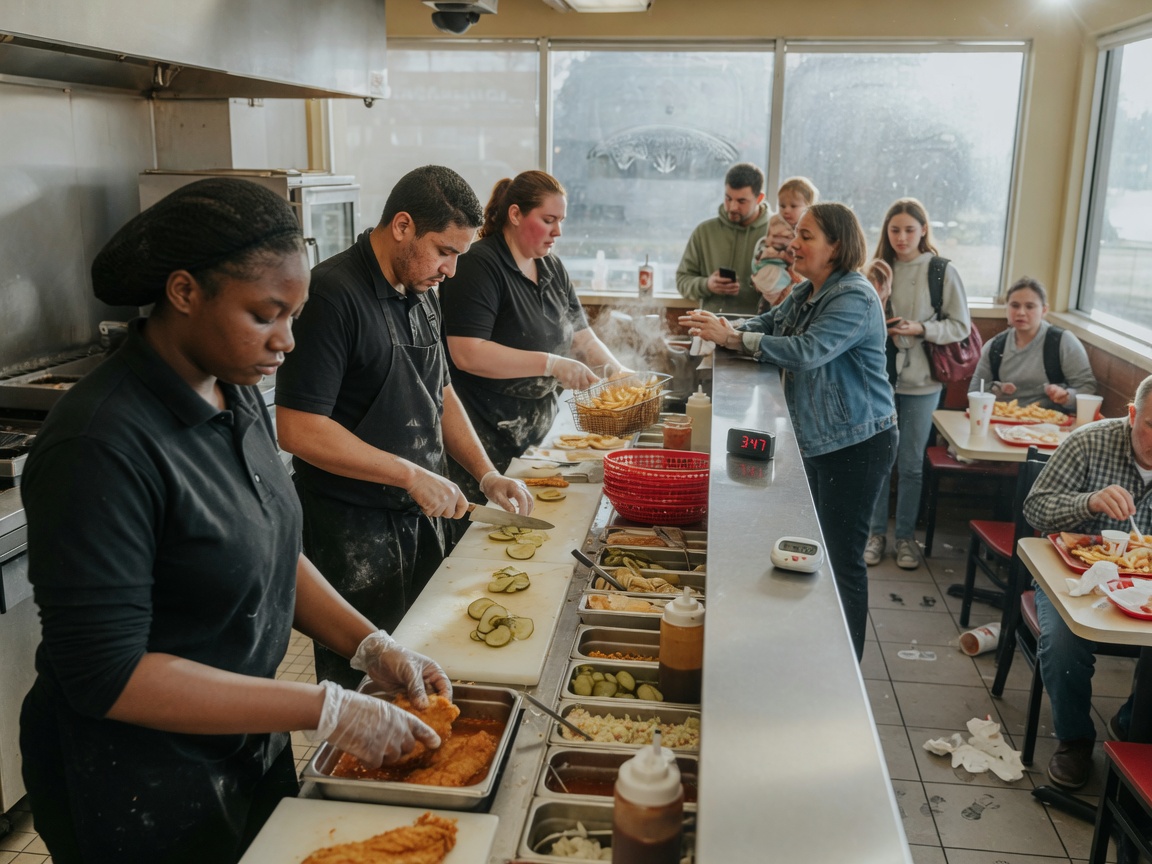
Proven Scale
196 franchised units across 35 states at year-end 2024, following net unit growth of 24 in 2024, 34 in 2023 and 31 in 2022.
the financial-performance disclosure Disclosure
Average 2024 gross sales of $2,436,728 reported for 147 comparable franchised restaurants open the full year.
Defined Territory
Conditional 2.5-mile or 45,000-population protected area for single-unit operators.
About Slim Chickens
Slim Chickens is a fast-casual restaurant chain founded in 2011 and headquartered in Fayetteville, Arkansas. The concept specializes in fresh chicken tenders, wings, sandwiches, wraps, salads and signature sauces, served in a quick-service format with indoor dining and drive-thru. As of the end of 2024 the system operated 207 locations, of which 196 were franchised.
Slim Chickens restaurants prepare and serve chicken-focused meals using approved suppliers and proprietary recipes. Operations center on a 2,700 to 3,200 square-foot prototype with drive-thru, indoor seating and patio. The model relies on standardized processes, digital ordering, loyalty programs and strict adherence to brand standards for quality, service and cleanliness.
Slim Chickens Global, LLC is a Delaware limited liability company formed on June 3, 2019 as a holding company to hold ownership interests in the franchisor, Holdings and other affiliates. It shares the principal business address with the franchisor.
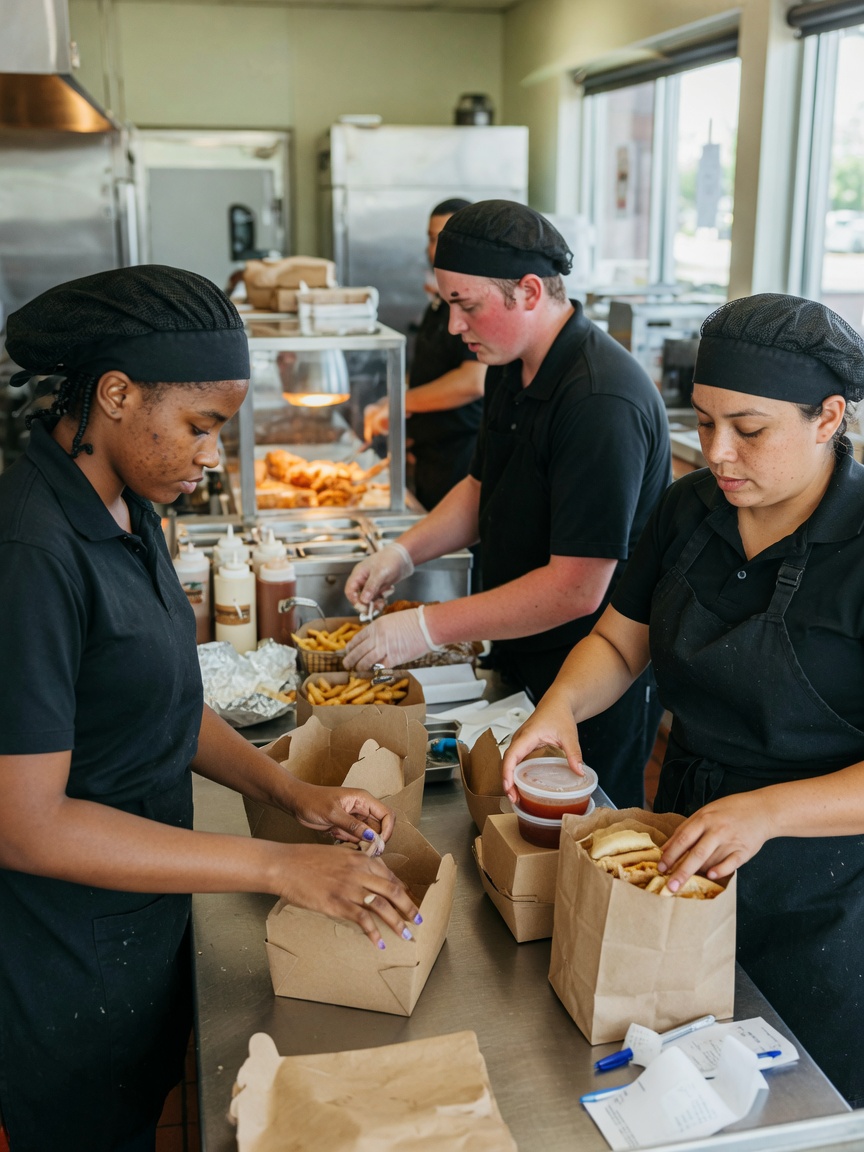
The business model
How a Slim Chickens territory actually makes money at the unit level.
Initial Franchise Fee
Single-unit franchise fee is $30,000. Under a development agreement the per-unit fee drops to $15,000 after the first restaurant.
Ongoing Fees
Royalty is 5 percent of gross sales. Advertising fund contribution is 2 percent plus 1 percent for local marketing. Technology fee is currently $25 per week plus 1 percent of digital sales.
Total Investment Range
Estimated initial investment per the the filed disclosures is $1,228,900 to $4,466,000. Range reflects lease versus land purchase, conversion versus ground-up construction and regional cost differences.
Supply Chain
Franchisees must purchase from approved suppliers including Sysco as primary distributor. Franchisor and affiliates receive rebates from several vendors.
Territory Rights
Single-unit operators receive conditional exclusivity within a 2.5-mile radius or 45,000 population. Franchisor reserves rights for non-traditional outlets, online sales and other brands.
Unit Economics
the financial-performance disclosure discloses average and median gross sales across four sales cohorts for 147 restaurants plus data on 15 new-prototype units. No cost or profit figures are provided.
Quick facts
Initial franchise fee
$30,000
Total investment range
$1,228,900 to $4,466,000
Royalty
5.00% of gross revenue
Marketing fund
3.00% of gross revenue
Founded
2011
Headquarters
Fayetteville, AR
Active US franchisees
60
Total US units
330
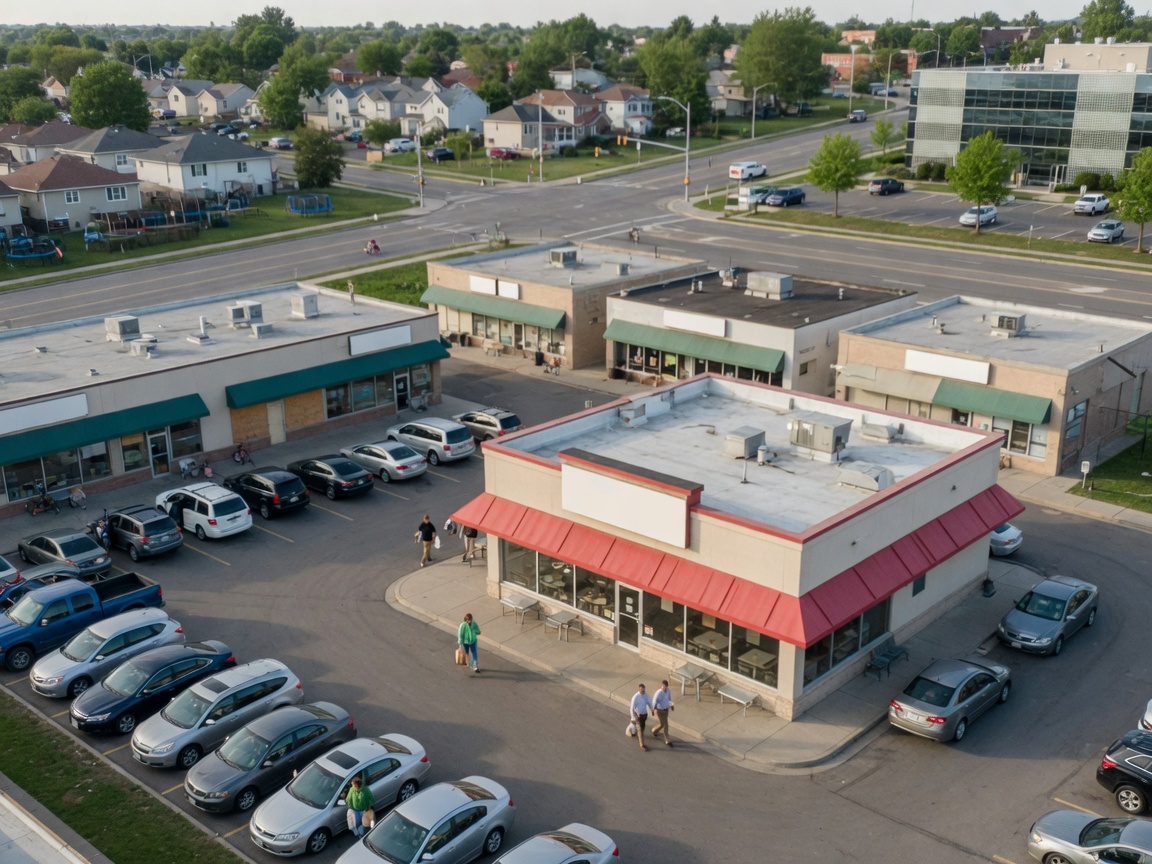
Training & support
What the franchisor + parent platform provide. And what they don't.
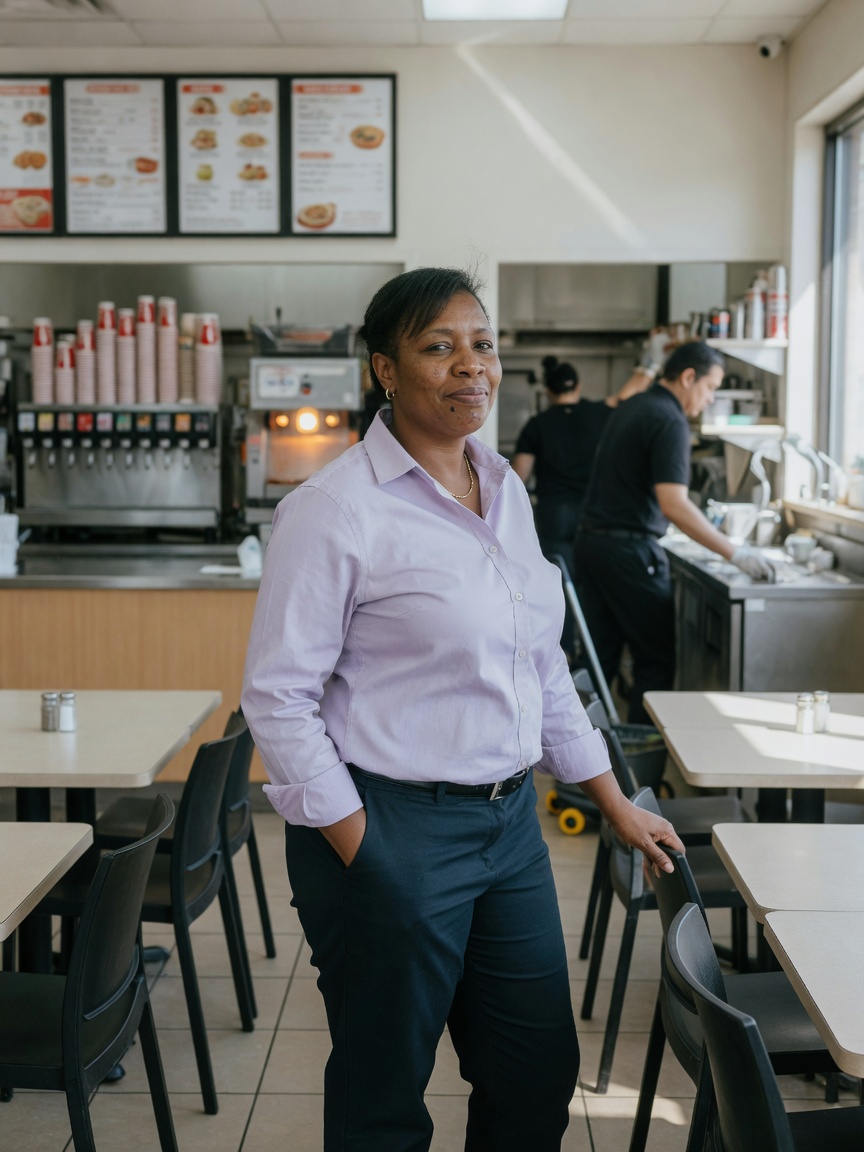
What's provided
- +Franchisee Ownership Training Program conducted at selected operating restaurants
- +Unit Operation Training Program conducted at selected operating restaurants
- +Non-management employee training program that franchisees must use to train hourly staff
- +On-site opening support team for 14 days on the first restaurant and 12 days on subsequent restaurants
- +Operations Managing Training Program and additional manager and employee training made available
- +Ongoing operational, marketing and management guidance plus quality, service and cleanliness inspections
Honest disclosure: what's NOT provided
The the filed disclosures does not disclose specific hours for any training program. The franchisor does not provide the building, equipment, ingredients, supplies, personnel policies or security-related policies.
Multi-unit growth path
Multi-unit development is executed through a separate Development Agreement that sets a schedule for opening a defined number of restaurants. Territory fees are $15,000 per unit and the initial franchise fee per unit drops to $15,000 after the first restaurant. Developers must meet opening deadlines or face default and potential loss of rights. The the filed disclosures does not disclose average units per multi-unit operator.
Capital + financing paths
Most operators use one of these four paths to fund the initial investment.
SBA 7(a) Loan
Many Slim Chickens projects qualify for SBA financing. Lenders typically require 20-30 percent equity injection and look for operators with relevant experience.
Conventional Bank Debt
Regional banks familiar with QSR lending may finance equipment, leasehold improvements and working capital once real estate is secured.
Franchisee Rollover or 401(k) Financing
Qualified investors may use rollover-for-business-startups or 401(k) funds to meet equity requirements without early withdrawal penalties.
Private Capital or Family Investment
Many multi-unit operators combine personal capital, family offices or private investors to fund larger development schedules.
Process timeline: inquiry → grand opening
Typical 12-16 week path from first call to launching your first customer route.
Discovery & Validation
Review the filed disclosures, speak with franchisor leadership and existing operators, validate market fit and personal financial qualifications.
Franchise Agreement Execution
Sign franchise agreement and pay $30,000 initial fee. If pursuing multiple units, sign development agreement and pay territory fees.
Site Selection & Approval
Identify and secure real estate within the designated territory. Submit site package for franchisor approval including site investigation report.
Design & Construction
Engage approved architect and contractor. Complete plans, permitting and build-out or conversion of the 2,700-3,200 square foot prototype.
Training & Pre-Opening
Complete ownership and operations training. Hire and train staff using franchisor-provided programs. Install POS, technology and signage.
Grand Opening & Launch
Conduct grand opening marketing spend of $10,000. Receive 14 days of on-site support team. Open restaurant and begin reporting sales and royalties.
Ongoing Operations
Operate under brand standards, participate in advertising fund, utilize approved suppliers and receive field support and inspections.
Match assessment
Are you a Slim Chickens match?
12 questions. Math-first. No high-pressure sales call afterwards. Just your match assessment and the reasoning behind it.
Start nowCommon questions
How much does a Slim Chickens franchise cost?
Estimated initial investment ranges from $1,228,900 to $4,466,000 according to the the filed disclosures. The single-unit franchise fee is $30,000.
What is the royalty fee for Slim Chickens?
The royalty is 5 percent of gross sales. An additional 3 percent of gross sales is required for advertising (2 percent to the national fund and 1 percent for local marketing).
Does Slim Chickens provide financial performance representations?
Yes. the financial-performance disclosure discloses average and median gross sales for 147 franchised restaurants open the full 2024 fiscal year. The average across those units was $2,436,728. No profit or cost data is provided.
How many Slim Chickens locations are there?
As of December 2024 the system had 207 total units: 196 franchised and 11 company-owned.
What is the protected territory for a Slim Chickens franchise?
Single-unit operators receive a conditional 2.5-mile radius or approximately 45,000 population designated area. The franchisor reserves rights for non-traditional outlets and other sales channels.
How long does it take to open a Slim Chickens restaurant?
From franchise agreement signing, the timeline typically spans 9 to 15 months depending on real estate acquisition, permitting and construction type (conversion versus ground-up).
Does Slim Chickens offer multi-unit development?
Yes. Qualified operators may enter a Development Agreement with a defined schedule and reduced per-unit franchise fees after the first restaurant.
What training and support does Slim Chickens provide?
The franchisor offers ownership and operations training at existing restaurants, on-site opening support, ongoing field visits, quality inspections and marketing guidance. Specific training hours are not disclosed.
Who are the approved suppliers for Slim Chickens?
Franchisees must purchase from approved vendors including Sysco as primary distributor, Coca-Cola, Dr Pepper, specific bread and breading suppliers. The franchisor and affiliates receive rebates from several of these vendors.
How does Slim Chickens compare to other chicken franchises?
Slim Chickens emphasizes fresh chicken tenders, wings and proprietary sauces in a fast-casual format with drive-thru. Its 2024 average gross sales of $2.44 million for comparable units positions it competitively within the chicken QSR segment.
Are Slim Chickens franchisees required to purchase from the franchisor?
Franchisees must buy all food, inventory and supplies from approved sources. The franchisor supplies breading through an affiliate and receives rebates from designated vendors.
What is the average sales volume for a Slim Chickens restaurant?
The the filed disclosures reports an average of $2,436,728 in gross sales for the 147 franchised restaurants open the entire 2024 fiscal year. Individual results vary and the the filed disclosures provides no expense or profit figures.
Brand logos displayed for identification purposes only. Hot N Fresh is not affiliated with the brands listed unless explicitly stated.